
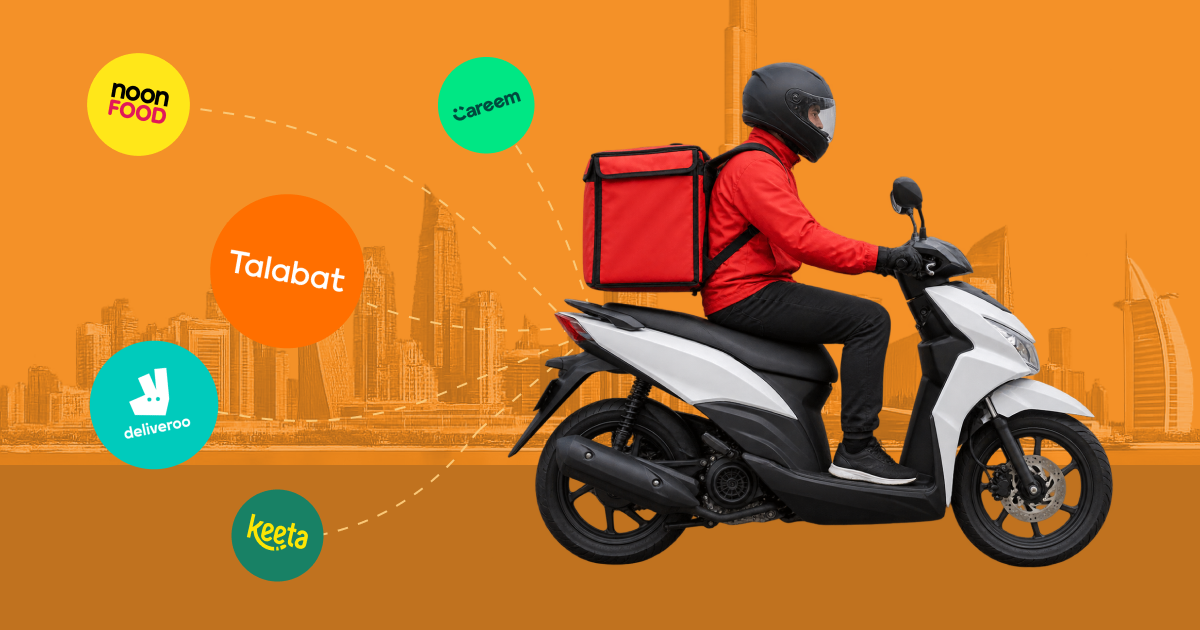
A delivery brand can receive its first orders within days of going live, but fast demand does not automatically create a viable business. The UAE cloud kitchen trends that matter most are moving the market away from speculative launches and toward controlled operating models: tighter unit economics, stronger aggregator discipline, purposeful brand portfolios, and kitchens designed around execution rather than appearance.
For founders and restaurant operators, the opportunity remains significant. Dubai and the wider UAE support high delivery usage, diverse customer segments, and a mature aggregator environment. The trade-off is that customers have abundant choice and platforms reward performance quickly. A poorly structured launch can lose visibility, ratings, and margin before the team has time to correct it.
The earlier cloud-kitchen model often prioritized speed and geographic coverage. Operators launched multiple brands, added broad menus, and assumed order volume would solve the economics. That approach is becoming harder to sustain. Platform commissions, promotional funding, packaging, food cost, labor, rent, and refunds all compete for the same order value.
The stronger trend is not simply smaller menus or lower overhead. It is decision-ready financial planning before a lease is signed or a kitchen slot is booked. Founders are testing whether each concept can carry its direct costs at realistic average order values, not optimistic sales forecasts. They are also separating fixed costs from order-driven costs so they understand the break-even order volume by daypart.
This changes how a cloud kitchen should be assessed. A low kitchen rent is not automatically a good deal if the location weakens delivery times, limits the catchment area, or creates dispatch congestion. Equally, a premium facility is not justified solely because it looks more established. The right facility depends on cuisine, target neighborhoods, expected order density, storage needs, and the brand’s path to profitable capacity.
Menus built for dine-in do not always survive delivery. Products may lose temperature, presentation, or texture during the journey. Others require too many components, slowing production during peak periods. A delivery-first menu needs to be commercial and operational at the same time.
Operators are reducing low-contribution items, standardizing ingredients across the menu, and designing modifiers with care. Choice can increase conversion, but excessive customization creates errors and longer ticket times. The best menu is rarely the largest. It gives customers clear reasons to order while allowing the kitchen to produce consistently at peak volume.
Pricing is receiving the same scrutiny. A menu price that works in a physical restaurant may not absorb delivery-specific costs. Raising prices without a clear value proposition can reduce conversion; underpricing can create sales that drain cash. Controlled testing by item, platform, and neighborhood is more useful than one blanket pricing decision.
Marketplace onboarding is no longer the finish line. It is the start of a performance cycle. Brand visibility, conversion, preparation time, cancellation rate, acceptance behavior, customer feedback, and promotional participation influence whether an aggregator gives a listing meaningful exposure.
Many operators still treat platforms as passive order channels. In practice, they are performance environments. A listing with unclear photos, weak item names, inconsistent availability, or slow acceptance will struggle even when the food concept is sound. Recovery later is possible, but it is more expensive than starting with clean menu data, realistic prep times, and a trained dispatch process.
The leading operators review platform data at a practical cadence. Daily checks identify outages, unavailable items, unusual cancellations, and delayed orders. Weekly reviews show which products convert, which promotions generate profitable demand, and where customer ratings are slipping. Monthly reviews should inform larger decisions on menu range, pricing, operating hours, and neighborhood coverage.
A rating decline often signals an operational issue before it becomes obvious in the kitchen. Complaints about missing items can point to packing controls. Feedback on cold food may indicate dispatch delays or unsuitable packaging. Repeated concerns about taste can reveal poor recipe control, inconsistent portioning, or rushed production at peak periods.
The appropriate response is not to ask for more reviews while the cause remains unresolved. It is to categorize feedback, identify the recurring failure point, assign a correction, and monitor whether the issue has stopped. Rating recovery requires controlled improvement cycles, especially when several factors are affecting the guest experience at once.
Virtual brands remain a practical way for existing restaurants to use idle kitchen capacity. A well-matched delivery concept can create new revenue without another full restaurant fit-out. However, adding a logo and a different menu to an existing kitchen is not a strategy by itself.
The current trend is toward fewer, better-defined virtual brands. Each brand needs a distinct customer occasion, a differentiated menu, workable production flow, and enough capacity to protect the core business. A pizza kitchen may have the equipment to produce a pasta brand, for example, but that does not mean the team can execute both menus during the same evening peak without delays.
Before launching a virtual brand, operators should assess available equipment, staffing patterns, prep capacity, storage, packaging space, and platform demand. They should also consider brand overlap. If two listings compete for the same customer with nearly identical products, the operator may split demand without creating additional revenue.
The better use case is a brand that fills a genuine gap: a different daypart, a complementary cuisine, a premium or value-led occasion, or an underserved delivery zone. This is where unused capacity becomes commercial capacity rather than operational noise.
The UAE market is seeing greater attention to kitchen layout, workflow, and station accountability. This is less visible than a new brand launch, but it has a direct effect on profitability. Every unnecessary handoff, crowded packing station, or poorly placed storage area adds seconds to a ticket. During a peak hour, those seconds become delayed orders and avoidable refunds.
A delivery-first kitchen should have a defined flow from receiving and storage through prep, cooking, quality checks, packing, and rider handoff. The exact layout depends on the cuisine, but the operating principle is consistent: staff should not cross paths unnecessarily, and completed orders should not wait in an uncontrolled area.
Staffing is also becoming more flexible but more specialized. Teams need people who can execute repeatable production, manage aggregator tablets or order systems, verify packaging, and resolve exceptions quickly. Lean staffing can protect margins during quiet periods, yet understaffing at peak times damages the metrics that generate future orders. The answer is demand-based scheduling supported by actual order patterns, not permanent overstaffing or optimistic labor assumptions.
Promotions can create early trial, support a new listing, or help recover demand in a specific period. They cannot compensate indefinitely for an average product, weak value proposition, or poor customer experience. As promotional costs rise, operators are placing more attention on repeat-order behavior and contribution after discounts.
This does not mean promotions should be removed. It means they should have a defined purpose. A first-order offer, a slow-day campaign, and a targeted bundle each need different success measures. If a campaign adds sales but lowers contribution and does not create repeat demand, it may be buying volume rather than building a business.
Bundles are increasingly useful when they simplify customer choice and protect average order value. They work best when the included items share ingredients, travel well, and do not overwhelm production. Forced bundles that add unwanted items can increase waste and dissatisfaction, so performance should be measured beyond gross sales.
The most valuable trend for a new operator is the move toward coordinated execution. Licensing, facility selection, supplier setup, recipes, staffing, packaging, platform listings, and financial controls cannot be treated as separate workstreams with no owner. Delays or poor decisions in one area appear later as opening costs, service failures, or weak marketplace performance.
A controlled launch starts with commercial validation, then translates the plan into a kitchen and operating model that the team can actually run. FoodWork approaches this as one accountable execution path, from feasibility and setup through managed operations and revenue-focused improvement.
Founders should be prepared to make a few decisions early: which customer occasion they will own, which delivery zones can support their economics, what the kitchen can produce reliably, and which performance metrics will trigger intervention. Those decisions create more value than chasing the newest concept or opening with an oversized menu.
The delivery market will continue to reward speed, but the more durable advantage is control. Build a concept that can meet its promised experience on a busy Thursday night, measure what happens after every launch decision, and improve the operation before expanding the footprint.
Get clarity before you commit capital.

+971 52 288 5400
2101, Court Tower, Business Bay, Dubai UAE
hello@foodwork.ae
© 2026 FoodWork. All rights reserved
